
Is Grain-Free Pet Food Actually Better? What Science Says
519 views
Walk through any pet store, and you'll see bags stamped with bold promises: grain-free, ancestral diet, wild-inspired, premium nutrition. It's easy to assume grain-free automatically means healthier. Plenty of pet owners do.
Then reality gets messy.
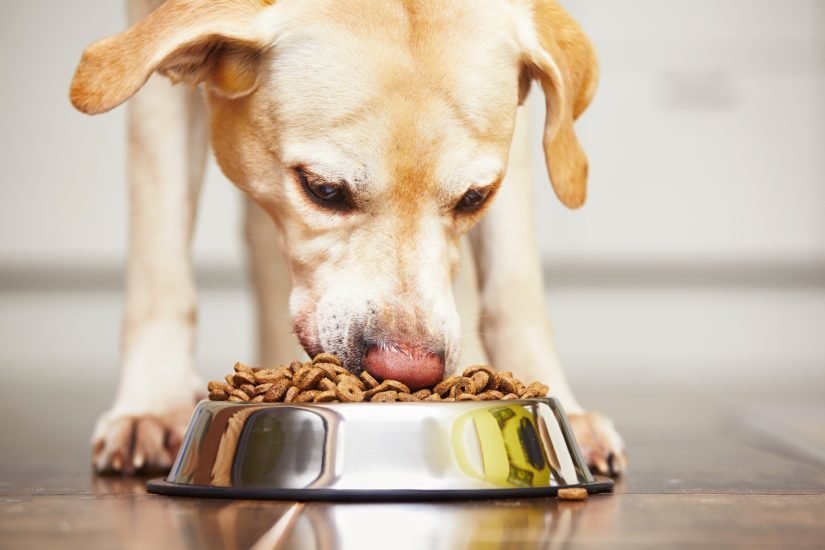
A Labrador develops digestive problems after switching to a trendy grain-free kibble. Another dog thrives on it for years. A cat refuses every expensive grain-free formula but happily eats a traditional chicken-and-rice recipe. Add social media opinions, marketing claims, and conflicting advice, and it's no surprise many owners don't know what to believe.
The science tells a more nuanced story. Grain-free isn't automatically better—or worse. The real answer depends on your pet's nutritional needs, ingredient quality, and medical history rather than a label on the front of the bag.
What "grain-free" actually means
Here's the first misconception.
Grain-free doesn't mean carbohydrate-free.
Pet foods labeled as grain-free simply exclude cereal grains such as:
Wheat
Corn
Rice
Barley
Oats
Rye
Those carbohydrates usually get replaced with alternative ingredients, including:
Peas
Lentils
Chickpeas
Potatoes
Sweet potatoes
Tapioca
From a nutritional standpoint, your dog or cat is still eating carbohydrates in many grain-free recipes. The source has changed—not necessarily the amount.
That's a detail many shoppers miss while standing in front of dozens of colorful bags.
Why grain-free diets became so popular
Marketing deserves much of the credit.
Around the early 2010s, manufacturers began comparing dogs to wolves, suggesting modern pets should eat diets similar to their wild ancestors. It sounded logical. Wolves don't harvest wheat fields.
Except domestic dogs aren't wolves anymore.
Thousands of years of domestication changed how dogs digest food. Genetic research has shown that dogs possess additional copies of the AMY2B gene, allowing them to digest starch much more efficiently than wolves. That adaptation likely developed as dogs evolved alongside early agricultural societies.
Cats are different. They're obligate carnivores and require nutrients like taurine that naturally occur in animal tissues. Even so, small amounts of digestible carbohydrates generally aren't harmful for healthy cats.
Evolution isn't always as simple as advertising suggests.
Are grains actually bad for pets?
Usually not.
Whole grains contribute valuable nutrients, including fiber, B vitamins, iron, magnesium, selenium, and digestible energy.
Brown rice, oats, and barley are commonly included in veterinary therapeutic diets because they're well tolerated by many animals with sensitive digestive systems.
Corn receives a particularly bad reputation, yet veterinary nutrition research consistently shows properly processed corn provides digestible carbohydrates, essential fatty acids, antioxidants, and protein.
The ingredient itself isn't the problem.
Quality control, formulation, and overall nutrient balance matter much more.
Grain allergies are much rarer than people think
Many owners assume itching automatically means a grain allergy.
Not quite.
Veterinary dermatology studies consistently find that food allergies affect only a small percentage of dogs. Among confirmed food allergies, proteins are responsible far more often than grains.
Common food allergens include:
More Common Allergens | Less Common Allergens |
|---|---|
Beef | Wheat |
Chicken | Corn |
Dairy | Rice |
Eggs | Oats |
Diagnosing food allergies isn't simple either.
Veterinarians typically recommend an elimination diet lasting 8 to 12 weeks, often using prescription hydrolyzed-protein diets or novel-protein formulas. Blood tests marketed for food allergies generally aren't considered reliable diagnostic tools for this purpose.
Switching foods every few weeks rarely identifies the real cause.
The FDA investigation changed the conversation
Everything shifted in 2018.
The U.S. Food and Drug Administration (FDA) began investigating reports of dogs diagnosed with dilated cardiomyopathy (DCM) despite not belonging to breeds genetically predisposed to the disease.
Many of those dogs had been eating grain-free diets.
Researchers noticed recurring ingredients:
Peas
Lentils
Chickpeas
Legumes
Potatoes
The investigation never concluded that grain-free food alone causes DCM.
Instead, experts suspect the issue may involve complex interactions among ingredient formulation, nutrient availability, digestibility, fiber content, amino acid balance, and taurine metabolism. Some affected dogs improved after dietary changes and veterinary treatment, suggesting nutrition played a role in at least certain cases.
The FDA continues monitoring reports, while veterinary cardiologists and nutrition researchers continue studying the relationship.
That uncertainty matters. Science doesn't always produce immediate yes-or-no answers.
Ingredient lists can be misleading
Pet owners often spend several minutes reading ingredient labels.
I've watched people reject one food because corn appeared fifth on the list while choosing another because peas appeared second, believing the second was automatically healthier.
Ingredient lists don't work that way.
Ingredients appear in descending order by weight before cooking. Fresh chicken contains substantial moisture, so its ranking may look impressive despite contributing less protein after processing than expected.
More importantly, ingredient lists reveal almost nothing about:
Amino acid balance
Digestibility
Vitamin supplementation
Mineral bioavailability
Manufacturing quality control
Feeding trial performance
That's why veterinary nutritionists focus on complete nutritional formulation rather than chasing individual ingredients.
What does current scientific evidence say?
The consensus among organizations such as the World Small Animal Veterinary Association (WSAVA), the American College of Veterinary Nutrition (ACVN), and the American Animal Hospital Association (AAHA) remains fairly consistent.
Healthy pets generally do not require grain-free diets unless a veterinarian identifies a specific medical reason.
Research supports several broader principles instead.
Complete and balanced nutrition matters more than grain content.
Manufacturer quality control plays a major role in food safety.
Diets supported by feeding trials provide stronger evidence than marketing claims alone.
Individual pets may respond differently despite eating similar ingredients.
Notice what's missing.
No recommendation says every dog should avoid grains.
Not all grain-free foods are created equal
Here's another wrinkle.
Some premium manufacturers employ board-certified veterinary nutritionists, conduct digestibility studies, perform nutrient analyses, and follow robust quality-control programs.
Others simply replace rice with peas, redesign the packaging, and double the price.
Two grain-free products can differ enormously in:
Protein quality
Digestibility
Manufacturing standards
Research investment
Ingredient sourcing
Nutrient testing frequency
That's why evaluating the company often matters as much as evaluating the recipe.
Situations where grain-free might make sense
There are legitimate cases.
A veterinarian may recommend a grain-free formula if a pet has:
Confirmed grain sensitivity or allergy.
Although uncommon, documented grain allergies do exist.
Specific gastrointestinal conditions.
Some individual animals tolerate certain carbohydrate sources better than others after careful dietary trials.
Prescription therapeutic diets.
These are formulated for medical conditions and differ substantially from boutique grain-free products marketed primarily for healthy pets.
Outside these situations, there's usually no evidence-based reason to seek grain-free food solely because it sounds more natural.
Questions worth asking before buying
Instead of asking, "Is this grain-free?" ask something more useful.
Does this food meet AAFCO nutritional adequacy standards for my pet's life stage?
Has the manufacturer conducted feeding trials?
Does the company employ qualified veterinary nutrition experts?
Can they provide nutrient digestibility data?
Has my veterinarian recommended this formula based on my pet's health?
Those questions often reveal far more than flashy front-of-package claims.
Practical feeding advice for everyday pet owners
Changing foods too quickly causes plenty of unnecessary stomach upset.
If you're switching diets, a gradual transition over 7–10 days usually reduces digestive issues:
Day | Old Food | New Food |
|---|---|---|
1–2 | 75% | 25% |
3–4 | 50% | 50% |
5–6 | 25% | 75% |
7+ | 0% | 100% |
Some pets adapt faster. Others need additional time, especially older dogs or animals with sensitive digestive systems.
Monitor stool consistency, appetite, energy levels, and body weight during the transition rather than assuming any temporary digestive change means the new food is harmful.
Frequently Asked Questions
Is grain-free food healthier than regular pet food?
Not necessarily. Current veterinary research doesn't show that grain-free diets are healthier for most dogs or cats. Overall nutritional balance matters much more than whether grains are included.
Can grain-free food prevent allergies?
No. Most food allergies involve animal proteins like beef or chicken rather than grains. Feeding grain-free food won't prevent allergies from developing.
Should puppies eat grain-free diets?
Healthy puppies generally don't need grain-free food unless recommended by a veterinarian for a diagnosed medical condition. Proper growth depends on balanced nutrition formulated specifically for puppies.
Are peas and lentils bad for dogs?
Not inherently. Peas and lentils provide fiber, protein, and other nutrients. Researchers are investigating whether heavy reliance on certain legumes in some formulations may contribute to diet-associated DCM in susceptible dogs, but the relationship hasn't been fully established.
How do I know if my pet should switch diets?
Persistent digestive problems, skin issues, unexplained weight changes, or suspected food allergies should be evaluated by your veterinarian before changing foods. Guessing often leads to unnecessary diet changes and makes diagnosis harder.
Final Thought
The grain-free label shouldn't be treated as a shortcut for quality. Some grain-free foods are excellent. Some aren't. The same applies to traditional diets containing rice, oats, barley, or corn.
Look beyond the marketing. Choose a food made by a manufacturer with strong nutritional research, transparent quality control, and evidence supporting its formulations. Then pay attention to the animal eating it—not the advertising on the bag. Your pet's long-term health will always provide the most meaningful answer.
grain-free pet food
grain free dog food
grain-free cat food
pet nutrition
healthy pet diet
dog food ingredients
pet food science
grain-free diet risks
best pet food
pet health tips
Found this helpful? Share it!