
Best Superfoods for Dogs and Cats to Boost Immunity Naturally
596 views
A shiny coat doesn't always mean a healthy immune system. That's the catch.
Many pet owners only start thinking about immunity after recurring ear infections, slow wound healing, digestive problems, or seasonal allergies show up. By then, they're searching through dozens of supplement labels with ingredients they can't even pronounce.
Food is often the simpler place to start.
Veterinary nutrition research continues to show that certain whole foods contain antioxidants, omega-3 fatty acids, vitamins, minerals, prebiotic fibers, and bioactive compounds that help support normal immune function in healthy dogs and cats. None of these ingredients are miracle cures. They won't replace veterinary treatment for illness. What they can do is strengthen the nutritional foundation that helps the immune system perform as intended.
The trick is choosing foods that are both nutritious and species-appropriate.
Why immunity starts in the food bowl
Around 70% of a dog's immune cells are associated with the gastrointestinal tract, and while the exact percentage varies across studies, cats also rely heavily on gut-associated lymphoid tissue (GALT) as a major component of immune defense. That's one reason veterinarians pay so much attention to digestive health.
A healthy digestive system supports:
Beneficial gut bacteria
Efficient nutrient absorption
Healthy inflammatory responses
Strong intestinal barrier function
I've seen owners spend hundreds on immune supplements while feeding a diet lacking essential nutrients. Then they add a few carefully selected whole foods—introduced gradually—and notice firmer stools, healthier skin, or more consistent energy within weeks. Not magic. Just better nutrition.
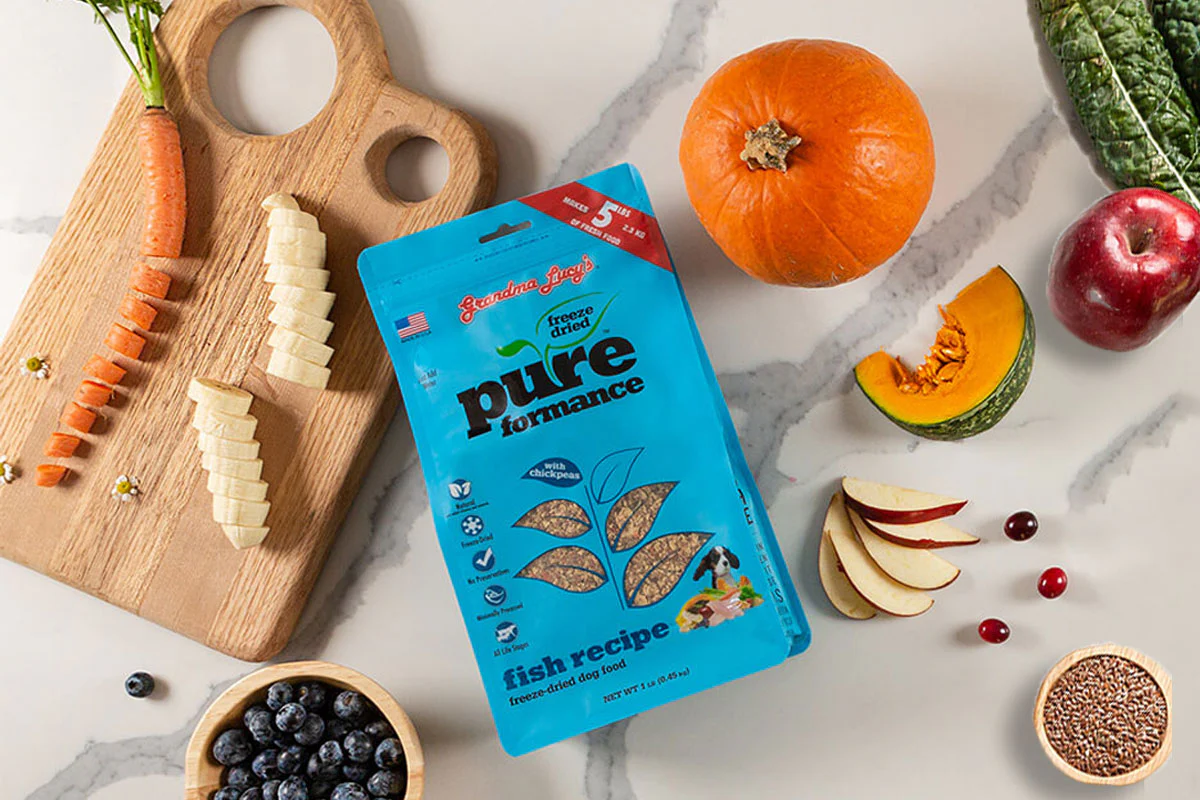
Blueberries: Tiny fruit, impressive antioxidant profile
Few fruits have earned as much attention in veterinary nutrition as blueberries.
Their deep blue color comes from anthocyanins, plant compounds studied for antioxidant activity. Antioxidants help neutralize free radicals produced during normal metabolism, reducing oxidative stress that can damage cells over time.
Blueberries also provide:
Vitamin C
Vitamin K
Manganese
Dietary fiber
Dogs usually enjoy fresh blueberries as treats.
Cats? Results vary. Many simply ignore them.
Keep portions small. A few berries for a medium-sized dog is usually enough. Frozen blueberries work well during summer, although they should thaw slightly for small breeds to reduce choking risk.
Sardines: One of the best natural omega-3 sources
Fish oils receive plenty of attention, yet whole sardines often provide more than just omega-3 fats.
Sardines naturally contain:
Nutrient | Immune Support Role |
|---|---|
EPA | Helps maintain normal inflammatory responses |
DHA | Supports brain, skin, and immune health |
Vitamin D | Supports immune regulation |
Selenium | Functions as an antioxidant mineral |
Vitamin B12 | Supports healthy cell production |
Look for sardines packed in water, not flavored oils or spicy sauces.
Avoid products containing:
Onion
Garlic
Excess sodium
Chili seasoning
Artificial flavorings
One sardine can be enough for many small dogs. Larger breeds may enjoy two or three occasionally.
Cats generally love sardines, although moderation matters because fish shouldn't become the sole protein source.
Pumpkin quietly supports the immune system
Pumpkin rarely appears on "superfood" lists aimed at humans.
Pets are different.
Plain cooked pumpkin supplies soluble fiber that nourishes beneficial gut microbes. Since immune function is closely connected to gut health, maintaining a balanced microbiome indirectly supports immunity.
Choose plain pumpkin puree.
Not pumpkin pie filling.
That mistake happens more often than you'd think. Pie filling usually contains sugar and spices that aren't suitable for pets.
Kefir and plain yogurt: Friendly bacteria that actually matter
Interest in probiotics has exploded during the past decade.
The World Small Animal Veterinary Association (WSAVA) and veterinary nutrition specialists generally recognize that certain probiotic strains may support gastrointestinal health, although benefits depend on the specific strain rather than the product category alone.
Plain kefir often contains a broader variety of live cultures than standard yogurt.
Some examples commonly found in fermented dairy products include:
Lactobacillus
Bifidobacterium
Lactococcus
Dogs often tolerate small amounts well.
Cats are less predictable because many adult cats digest lactose poorly. If loose stools appear after introducing dairy, stop immediately.
Unsweetened products without xylitol are essential. Xylitol is highly toxic to dogs, even in relatively small amounts.
Spinach deserves moderation, not fear
Spinach supplies:
Vitamin A
Vitamin C
Vitamin E
Iron
Folate
Those nutrients participate in numerous immune-related processes.
Still, spinach isn't appropriate as a daily staple.
It naturally contains oxalates, which may contribute to calcium oxalate stone formation in susceptible animals. Healthy pets can usually enjoy tiny cooked portions occasionally, but pets with urinary stone histories should avoid it unless their veterinarian recommends otherwise.
Small amounts are enough.
Eggs: Surprisingly complete nutrition
People often overlook eggs because they're so common.
That's unfortunate.
Cooked eggs provide highly digestible protein together with selenium, vitamin B12, riboflavin, vitamin D, and essential amino acids that help maintain healthy tissues involved in immune defense.
Raw eggs remain controversial.
Major veterinary organizations generally recommend cooking eggs because raw eggs may carry Salmonella contamination, and raw egg whites contain avidin, a protein that can interfere with biotin absorption when fed regularly.
Scrambled without butter, salt, onions, or seasoning works well.
Turmeric isn't a miracle ingredient
You'll see turmeric in countless pet supplements.
Reality sits somewhere in the middle.
Curcumin, turmeric's primary active compound, has been widely researched for antioxidant and anti-inflammatory properties. Laboratory studies look promising, but curcumin is absorbed poorly on its own, and clinical evidence in dogs and cats remains limited.
That doesn't mean turmeric has no value.
It simply means expectations should stay realistic.
Never substitute turmeric for prescribed medication, especially if your pet has arthritis, liver disease, diabetes, or takes blood-thinning medications.
Broccoli offers more than vitamin C
Broccoli contains glucosinolates, vitamin C, fiber, folate, and several antioxidants.
Dogs can safely eat small cooked florets.
Too much causes trouble.
Large quantities may upset the stomach because broccoli florets naturally contain isothiocyanates, compounds that may cause gastrointestinal irritation if consumed excessively.
Cats usually show little interest anyway.
Bone broth: Simple, comforting, and useful
Good homemade bone broth isn't just trendy.
Properly prepared broth encourages hydration while supplying collagen, gelatin, and amino acids like glycine.
The challenge isn't making it.
It's what people accidentally add.
Never include:
Onion
Garlic
Excess salt
Commercial seasoning cubes
Store-bought broths often contain sodium levels far higher than pets need, so reading ingredient labels carefully matters.
Don't ignore mushrooms—unless they're the wrong ones
Medicinal mushrooms such as turkey tail (Trametes versicolor) and reishi (Ganoderma lucidum) have attracted growing interest in veterinary oncology and immune research.
Some commercial veterinary supplements standardize mushroom extracts to improve consistency, but quality varies considerably between manufacturers.
Wild mushrooms are an entirely different story.
Many are toxic.
Never let pets forage freely, and never assume a mushroom is safe simply because humans can eat it.
Foods that cancel out the benefits
Adding superfoods while feeding toxic snacks defeats the purpose.
Here's a quick comparison.
Good Choices | Avoid Completely |
|---|---|
Blueberries | Grapes |
Pumpkin | Onion |
Sardines in water | Garlic |
Cooked eggs | Xylitol products |
Plain kefir | Chocolate |
Cooked broccoli | Macadamia nuts |
The ASPCA Animal Poison Control Center and veterinary toxicology references consistently list these foods among common household hazards for pets.
Building an immune-friendly feeding routine
One mistake appears again and again.
Owners introduce five new foods during the same week.
Then the dog develops diarrhea.
Nobody knows which ingredient caused it.
Slow is smarter.
Try introducing one new food every five to seven days while watching appetite, stool quality, skin condition, and overall behavior. That approach makes identifying food sensitivities much easier.
For pets eating complete and balanced diets that meet the nutritional standards established by organizations such as the Association of American Feed Control Officials (AAFCO) or the European Pet Food Industry Federation (FEDIAF), superfoods should remain occasional additions rather than replacing core meals.
Frequently Asked Questions
Can dogs eat superfoods every day?
Some can. Pumpkin, blueberries, or small portions of cooked eggs may fit into many dogs' diets, but variety is usually better than feeding the same ingredient daily. Treats and toppers should generally make up no more than about 10% of daily calorie intake.
Are cats and dogs safe eating the same superfoods?
Not always. Cats have unique nutritional requirements as obligate carnivores. They often benefit more from animal-based foods like sardines or cooked eggs than from fruits and vegetables, which many cats ignore anyway.
Do immune-boosting foods replace supplements?
Sometimes supplements aren't necessary if a pet already eats a complete, balanced diet and is healthy. Supplements should address a specific nutritional need rather than duplicate nutrients already provided by food.
Which superfood works fastest?
None of them. Immune support develops through consistent nutrition over weeks or months. Foods don't produce overnight changes in healthy immune function.
Should puppies and kittens eat these foods?
Many can enjoy small, veterinarian-approved portions once they're eating solid food, but growth diets should remain the nutritional priority because young animals have different energy and nutrient requirements than adults.
A stronger immune system starts with consistent habits
Fancy powders and expensive supplement tubs often grab attention first, yet the biggest gains usually come from ordinary foods offered consistently and appropriately. Rotate nutrient-rich options, introduce them gradually, keep portions sensible, and choose ingredients backed by established veterinary nutrition research rather than social media trends. Your pet's next meal doesn't have to be complicated—it just needs to be thoughtfully prepared.
dog superfoods
cat superfoods
pet immunity boosters
natural pet health
immune boosting foods for pets
healthy foods for dogs
healthy foods for cats
natural dog nutrition
natural cat nutrition
pet superfoods
Found this helpful? Share it!