
Indoor Cat Enrichment Ideas for Happy, Healthy Cats
543 views
A bored indoor cat rarely stays quiet for long. One starts clawing the corner of the sofa. Another sprints across the hallway at 2 a.m., launching off furniture like it's an obstacle course. Some simply sleep all day, gain weight, and gradually lose interest in play.
That behavior isn't random.
Cats evolved as solitary hunters that spend much of their waking hours stalking, climbing, observing, and solving tiny problems to earn every meal. Indoor living protects them from cars, predators, parasites, and infectious diseases, but safety also removes much of the mental and physical stimulation they'd naturally experience outdoors.
The challenge isn't making your home bigger. It's making it more interesting.
Why enrichment matters more than many owners realize
Veterinary behaviorists often describe enrichment as providing opportunities for species-appropriate behaviors. For cats, that means hunting, climbing, scratching, hiding, exploring, and controlling their own environment.
Research and guidance from organizations such as the American Association of Feline Practitioners (AAFP), the International Society of Feline Medicine (ISFM), and Ohio State University's Indoor Pet Initiative consistently recommend environmental enrichment to reduce stress-related behaviors and improve welfare.
I've noticed something interesting after helping friends redesign cat spaces: expensive gadgets rarely solve boredom by themselves. Rotating familiar toys every week usually creates more excitement than buying ten new ones and leaving them on the floor permanently.
Novelty matters.
Feed the hunter, not just the stomach
A food bowl filled twice a day keeps a cat alive. It doesn't satisfy its hunting instincts.
Instead of serving every meal in one location, spread feeding opportunities throughout your home.
Try combinations like:
Puzzle feeders with adjustable difficulty
Slow-feeding balls that release kibble gradually
Hidden treats behind furniture or shelves
Cardboard boxes with crumpled paper covering small food rewards
Commercial puzzle feeders from brands like Nina Ottosson, Catit, and Trixie generally cost between US$10 and US$35, while homemade versions made from toilet paper tubes or egg cartons often work surprisingly well.
Some cats become frustrated if the challenge starts too difficult. That's a common mistake. Begin with easy wins before increasing complexity.
The goal isn't making meals impossible.
It's creating small victories.
Build upward, not outward
Cats naturally prefer elevated observation points.
Even apartments with limited floor space can feel dramatically larger once vertical territory is added.
Good vertical enrichment includes:
Option | Typical Height | Approximate Cost |
|---|---|---|
Window perch | 30–90 cm | US$20–50 |
Multi-level cat tree | 120–180 cm | US$60–250 |
Wall-mounted shelves | Custom | US$15–40 per shelf |
Bridge systems | Variable | US$30–120 |
Place climbing furniture near windows whenever possible.
A bird outside often entertains a cat longer than another plastic toy ever will.
Just be sure windows have secure screens. Cats can squeeze through surprisingly small openings while chasing birds or insects.
Rotate toys instead of buying endless new ones
Here's something many owners overlook.
Leaving every toy available every day actually makes them less exciting.
I usually recommend dividing toys into three or four small groups.
Week one:
Feather wand
Small plush mouse
Crinkle ball
Next week?
Put those away completely.
Replace them with different textures, sounds, and movements.
That simple rotation often renews interest without spending another dollar.
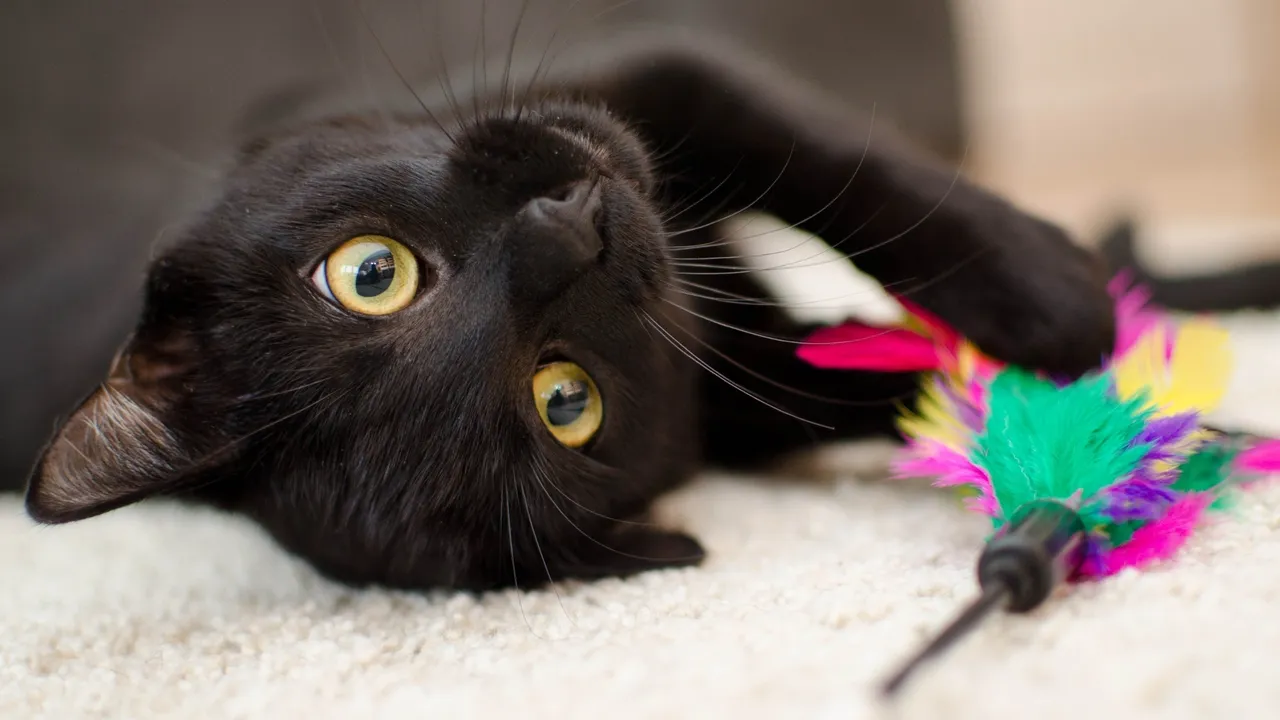
Interactive wand toys deserve special mention because they imitate prey movement better than self-moving electronic toys. Short, energetic sessions that end with a successful "catch" satisfy a cat's hunting sequence more effectively.
Always let them win eventually.
Nobody enjoys an endless chase with no reward.
Windows become living television
Sometimes the cheapest enrichment is simply moving furniture.
Place a stable perch where your cat can safely watch:
Birds
People walking
Falling rain
Rustling trees
Passing vehicles
Adding a bird feeder several meters away from the window can increase visual stimulation, although local wildlife guidelines should always be respected.
Avoid placing feeders close enough that birds become stressed by visible predators.
Give scratching a purpose
Many owners buy one scratching post, tuck it into a quiet corner, then wonder why the sofa still suffers.
Location matters.
Cats often scratch:
After waking
Near entrances
Along common walking paths
Close to favorite sleeping areas
Offer multiple scratching surfaces.
Some cats strongly prefer vertical sisal posts.
Others choose horizontal cardboard scratchers.
Still others ignore both and head straight for rough wood.
You'll probably discover preferences only through trial and error.
Create safe hiding spaces
Cats aren't trying to disappear forever.
They're regulating stress.
Simple hiding spots can include:
Cardboard boxes
Covered cat beds
Blankets draped over chairs
Shelves with privacy panels
Homes with multiple cats benefit even more because individual retreat spaces reduce unwanted social tension.
Behavior specialists often recommend providing at least one hiding option per cat, plus extras.
Bring scents indoors
Cats experience the world through smell far more than humans do.
Changing scents occasionally keeps environments interesting.
Safe enrichment ideas include:
Fresh silvervine sticks.
Dried valerian root toys.
Organic catnip, although roughly one-third of cats show little response because sensitivity is genetically determined.
Responses vary.
One cat may become playful.
Another simply rolls over and naps.
A third couldn't care less.
Perfectly normal.
Technology can help—but don't rely on it
Automatic toys have improved considerably over the last few years.
Models that activate intermittently rather than running continuously tend to hold attention longer because unpredictability resembles natural prey behavior.
Some popular electronic toys include motion-activated rolling balls, feather devices, and laser systems.
Laser pointers deserve a caution.
They stimulate chasing, but they never allow capture.
Finish laser sessions by directing the dot toward a physical toy or treat so your cat experiences a successful ending to the hunt.
Indoor cats still need exercise
A surprising number of overweight cats simply don't move enough.
The Association for Pet Obesity Prevention has repeatedly estimated that well over half of pet cats in North America are overweight or obese.
Exercise doesn't require marathon play sessions.
Several bursts lasting five to ten minutes throughout the day usually work better.
Try varying activities:
Activity | Physical Effort | Mental Challenge |
|---|---|---|
Feather wand | High | Medium |
Food puzzle | Low | High |
Climbing tree | Medium | Medium |
Hide-and-seek treats | Medium | High |
Tunnel chase | High | Medium |
Short sessions fit naturally into most households.
Even before breakfast helps.
Multi-cat homes need extra planning
Adding another cat doesn't automatically solve loneliness.
Sometimes it creates competition instead.
The AAFP and ISFM environmental guidelines emphasize distributing resources throughout the home.
Rather than clustering everything together, spread out:
Food stations
Water bowls
Litter boxes
Resting areas
Scratching posts
A commonly cited guideline is one litter box per cat plus one extra, positioned in different locations.
That reduces resource guarding and gives timid cats alternatives.
Enrichment changes with age
Kittens crave constant exploration.
Adult cats usually appreciate structured hunting games.
Senior cats need something different.
Older cats often benefit from:
Lower climbing platforms
Heated resting pads
Softer landing surfaces
Easier puzzle feeders
Gentle interactive play
Arthritis becomes increasingly common with age, so don't assume reduced activity always means laziness.
Sometimes climbing simply hurts.
Mistakes owners make without realizing
Not every enrichment effort works.
Some actually backfires.
Common examples include:
Leaving electronic toys running all day until they're ignored.
Rearranging the entire house at once, overwhelming anxious cats.
Buying tiny scratching posts that don't allow a full-body stretch.
Ending play sessions abruptly without letting the cat "capture" prey.
Offering only one type of stimulation.
Variety beats intensity almost every time.
Frequently Asked Questions
How much playtime does an indoor cat need every day?
Most healthy adult cats benefit from 20 to 40 minutes of interactive play divided into several shorter sessions. Highly energetic kittens often need considerably more.
Are puzzle feeders worth buying?
Yes. Puzzle feeders encourage natural foraging behavior, slow fast eaters, and provide daily mental stimulation. Many cats also become less demanding between meals because they spend more time working for food.
Can indoor cats live happy lives without going outside?
Absolutely. With climbing opportunities, interactive play, scratching options, hunting games, and environmental variety, indoor cats can enjoy excellent welfare while avoiding many outdoor hazards such as traffic, predators, toxins, and infectious diseases.
How often should toys be rotated?
A weekly rotation works well for many households. Keeping only a few toys available at once helps maintain novelty without requiring constant purchases.
What's the single easiest enrichment upgrade?
Move a sturdy cat tree or window perch beside a secure window. The combination of elevation, sunlight, changing outdoor activity, and safe observation often becomes a cat's favorite spot within days.
Small changes create a much richer world
Indoor enrichment isn't about filling your home with expensive accessories. A cardboard box moved to a new corner, a hidden food puzzle before breakfast, or a fresh climbing route along the wall can completely change how a cat experiences the same space. Start with one improvement this week, watch what your cat actually enjoys, then build from those observations. The best enrichment plan isn't the fanciest one—it's the one your cat keeps choosing every single day.
indoor cat enrichment
happy indoor cats
cat enrichment ideas
indoor cat activities
healthy cats
cat toys
feline mental stimulation
bored indoor cats
cat exercise ideas
indoor pet care
Found this helpful? Share it!